

Trauma Bonds: What They Are, How They Form, and How to Know If You Have One
Learn what trauma bonds are, how they form, and how to heal. Trauma-informed counselling in Ottawa with Willow Roots Therapy.
Continue Reading
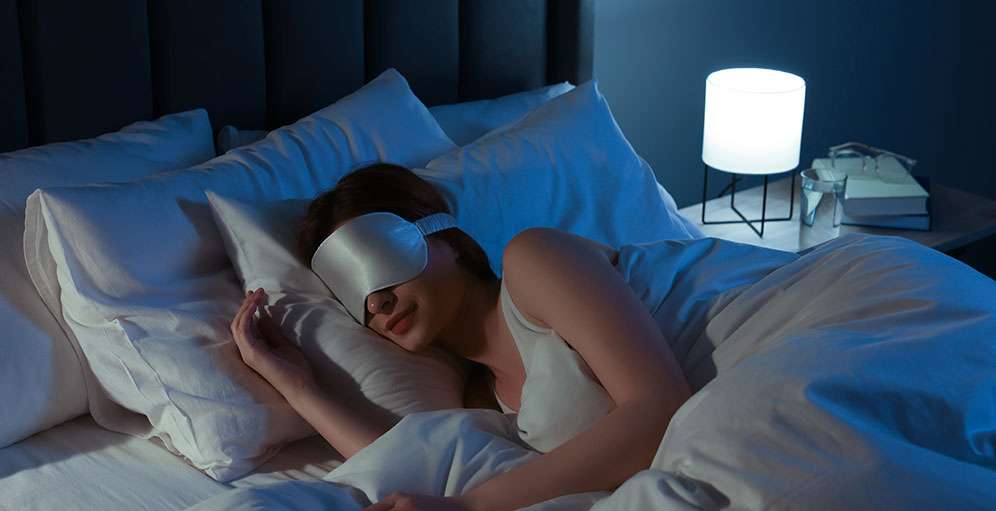
Struggling to fall asleep or stay asleep? Learning how to relax your body for better sleep could be the missing piece in your bedtime routine. Sleep—the often-overlooked pillar of health—profoundly influences every aspect of our well-being. Incorporating good sleep hygiene practices and body relaxation techniques helps you transition smoothly into restful, rejuvenating sleep instead of battling tension and restlessness.
Sleep hygiene refers to the habits and practices that promote consistent, high-quality sleep. A well-structured nighttime routine and an optimized sleep environment can make a significant difference in how quickly you fall asleep and how restful your sleep is. Check out our bedtime routine checklist to build better habits. Here are some key components of sleep hygiene:
Falling asleep with a relaxed body—rather than a tense one—is crucial for sleep quality. That’s why understanding how to relax your body for better sleep should be part of every wellness plan. Here’s why it matters:
Incorporating these relaxation techniques into your bedtime routine can transform your sleep hygiene and improve overall well-being. Here’s how to relax before bed if you’re struggling with insomnia:
PMR involves tensing and then gradually relaxing different muscle groups. This technique helps release stored tension and promotes a state of deep relaxation—essential for anyone learning how to relax your body for better sleep.
Example:
Deep breathing activates the body’s relaxation response, reducing stress and promoting calmness before bed.
Example: Try the 4-4-4-4 method:
Stretching relieves muscle tension and improves circulation, helping the body prepare for rest. It’s a great way to support your nightly wind-down routine.
Example:
Practicing mindfulness helps shift focus away from stress and into a state of calm relaxation. This supports better sleep hygiene and body awareness.
Example:
Essential oils like lavender and chamomile promote relaxation and support a peaceful sleep environment.
Example:
Guided imagery involves visualizing a peaceful and relaxing scene to help quiet the mind and body.
Example:
Prioritizing a relaxed body before sleep has long-term health benefits, including:
Good sleep hygiene is essential for restful sleep. By prioritizing relaxation before bed, you can enhance both sleep quality and overall well-being. Knowing how to relax your body for better sleep empowers you to take control of your nightly rest. Incorporate simple techniques like deep breathing, muscle relaxation, and mindfulness meditation into your routine.
Remember, a relaxed body paves the way for a peaceful mind and restorative sleep. Try these strategies tonight and experience the benefits firsthand!
Learn what trauma bonds are, how they form, and how to heal. Trauma-informed counselling in Ottawa with Willow Roots Therapy.
Continue Reading
Discover how emotional connection, stress, playfulness, and wellbeing influence sexual desire and intimacy in long-term relationships.
Continue Reading
Learn how to repair resentment in relationships, rebuild trust, and strengthen connection with Ottawa couples counselling support.
Continue ReadingSubscribe for fresh blogs, mental health tips, and the latest news.
